

Time and a half calculator is a tool for employees to calculate their wages and overtime pay. The overtime calculator will calculate how much employee get paid based on the hourly rate, number of hours worked, and the overtime pay rate. Calculating time and a half pay for salaried employees requires an extra step to get the hourly pay rate because they are paid a fixed wage. It’s called time and a half pay because it’s equivalent to an employee’s hourly rate multiplied by 1.5 per hour of overtime.

A Brief History of Overtime Pay

This basic calculation varies slightly depending on whether the employee is paid hourly wages or a salary. With salaried employees, employers will have the additional step of determining the regular rate of pay. Now multiply the number of overtime hours by $47.60 to get the amount of overtime. Add that to the regular hourly rate to get the employee’s total gross weekly earnings.
- Finally, you calculate the employee’s overtime pay and add it to their non-overtime pay to get their total compensation for the week.
- Calculate overtime at 1.5 times your regular rate and determine your total income with overtime pay.
- Triple time is much less common but may occur for if you work extremely long shifts or are in a specialized industry or have a specific union agreement.
- Let’s take a look at what the overtime entitlements are in the U.S. and how they can vary by state…
- So, this person would earn a total of $1,750 for the week where they work 20 hours of overtime at a time-and-a-half pay rate.
What is overtime?
- They are also owed time and a half for the first eight hours worked on the seventh day of a workweek, plus double time after eight hours.
- However, calculations look slightly different for salaried employees, workers who are paid hourly, and those who receive bonuses.
- If you have any problems using our time and a half calculator, please contact us.
- It need not coincide with a calendar week, but must stand alone.
Several states have overtime laws that are stricter than the FLSA. Additionally, if you pay an employee an annual salary of $107,432 or more, they are exempt if they have at least one executive, administrative, or professional job duty. Employees must be exempt from earning overtime, usually determined by whether they’re salaried, earn over a certain amount every month, and perform specific duties.

Example to calculate Time and a Half
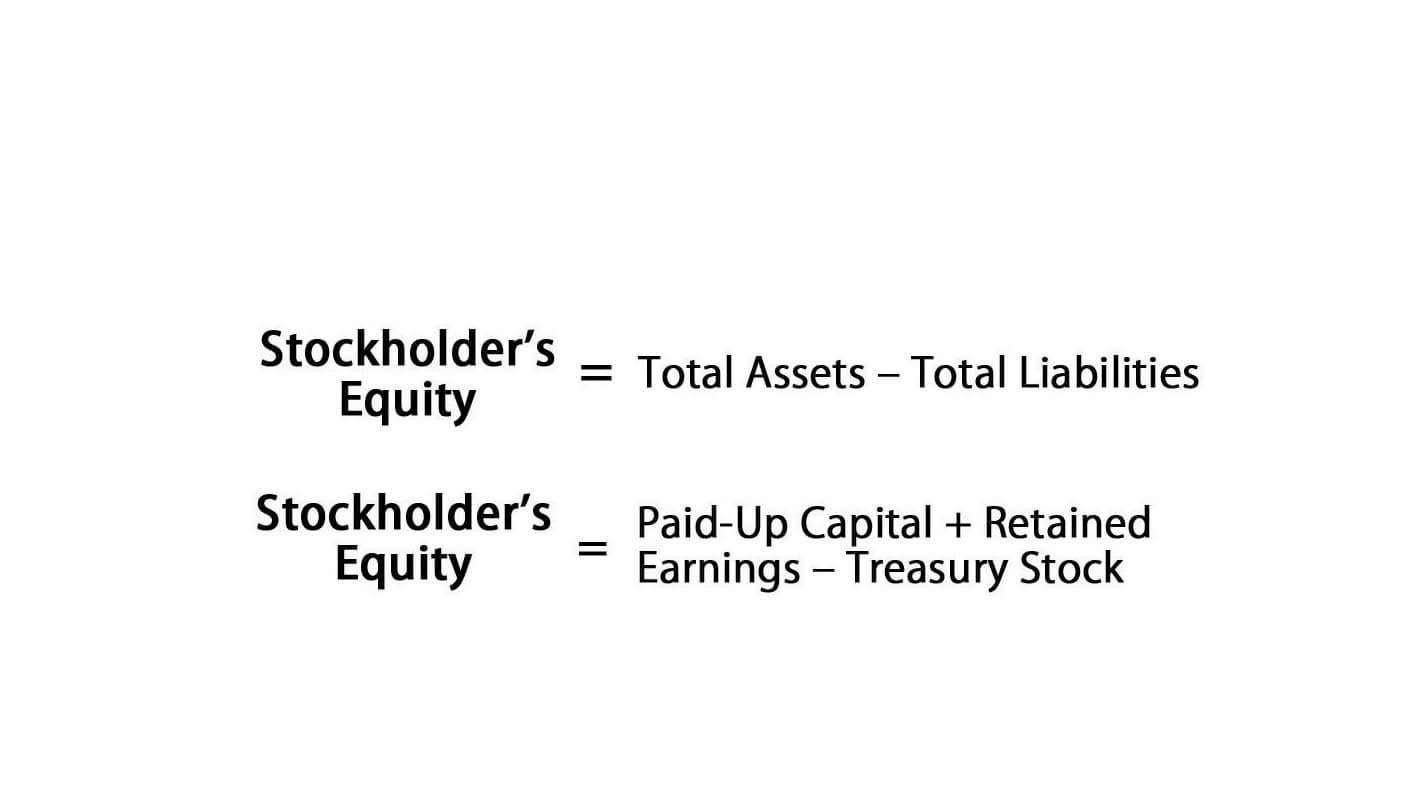
Check out my Pay Raise Calculator to see how salary increases impact your earnings, or the Opportunity Cost Calculator to evaluate what to do with your overtime earnings. Chief executive officers (CEOs) get paid lots of money for being the top employees in the what are retained earnings company. Alex earns $240 for working a single holiday shift instead of the usual $160. Read the FLSA fact sheet1 to learn more about each of these exemptions and if they apply to you.
- For most businesses in the US, calculating time and a half isn’t just important, it’s a legal requirement.
- Enter your regular hourly rate and overtime hours to get your total pay.
- The minimum wage is $7.25 per hour for nonexempt employees under the federal law.
- The overtime calculator will calculate how much employee get paid based on the hourly rate, number of hours worked, and the overtime pay rate.
Chronological Age Calculator →
Next, find the employee’s overtime rate by multiplying their regular hourly rate by 1.5. As of January 1, 2025, salaried employees are exempt from time-and-a-half pay if they earn a minimum gross salary of $1,128 per workweek or $58,656 annually. The Department of Labor will adjust this figure every three years starting in July 2027. Double overtime pay is like an extra reward for employees who time and a half of 18 put in additional hours or work on holidays (personal holidays or public holidays).
- Alex earns $240 for working a single holiday shift instead of the usual $160.
- Multiply the employee’s overtime hours by the overtime rate of $44.12.
- Add together the regular and overtime wages to determine total pay.
- Only nonexempt employees are eligible to receive time and a half pay.
- Before you can determine how much overtime pay a nonexempt salaried employee has earned, you must calculate their standard hourly rate of pay.
How to calculate time and a half pay
The first step bookkeeping for cleaning business is calculating the worker’s total earnings without time and a half pay. For this example, imagine an hourly wage employee who worked 44 hours in a week. Now, take the time-and-a-half pay rate and multiply it by the number of overtime hours the employee worked to find the total overtime pay. Finally, add your overtime pay to your regular weekly earnings to calculate your total compensation. This ensures you are compensated for all hours worked, both regular and overtime.